Intro
It’s 97 degrees out there and your kid has been running with friends for two hours. And now they are lying on the couch looking kind of gray. Not quite sick, but not quite right either.
Is it just heat? Did they not drink enough water? Is it something worse?
This is the summer version of every parent’s guessing game. Heat exhaustion vs. dehydration in children often looks almost the same at first. The symptoms can be being tired, flushed, cranky, or maybe having a headache. But they are not the same thing, and either one can turn into something dangerous.
The EPA points out that kids are more likely to become dehydrated than adults because they lose fluid faster. The Children’s Hospital Colorado team notes that children cannot cool down as quickly as adults, on top of spending much more time outside, often running across hot playgrounds and blacktop. So they are at higher risk.
This guide breaks down what each one actually looks like, which symptoms matter, how to handle it at home, and when a child needs to be seen today.
The Short Answer
Dehydration is simply fluid loss. Heat exhaustion in kids happens when the body starts struggling to cool itself down. Also, dehydration often causes heat exhaustion, and heat exhaustion almost always involves dehydration. They overlap, but heat exhaustion is always a level up.
So, get your child into a cool place, give fluids in small sips, and watch them closely. You may also call for same day care for dehydration in children if they are vomiting or cannot keep fluids down. You should also seek medical help if they have not peed in 6 to 8 hours, are confused or very sleepy, or have a temperature above 103°F. If they stop sweating, faint, or stop responding normally, that is an emergency. Take them straight to the ER.
What’s Actually Worrying You Right Now
A few situations keep coming up every summer:
Your child is not drinking enough water. Kids are often too busy playing to realize they are thirsty, and by the time they are asking for water, they are already dehydrated.
Your child is dizzy after playing outside. If they come in flushed, sit down, say, “My head feels weird,” and you’re trying to figure out if it’s heat or something else.
Your child is tired and overheated. The energy has completely gone out of them, their cheeks are bright red, and they just want to lie down. That could be just tired, or it could be a heat illness.
Your child is vomiting from heat. Once vomiting starts, you cannot easily rehydrate them at home anymore. That changes the plan.
Typing “pediatric urgent care for dehydration” into your phone at 4 p.m. on a Saturday does not help if you do not know whether to go in or wait. That is what the rest of this is for.
What Is Dehydration in Children?
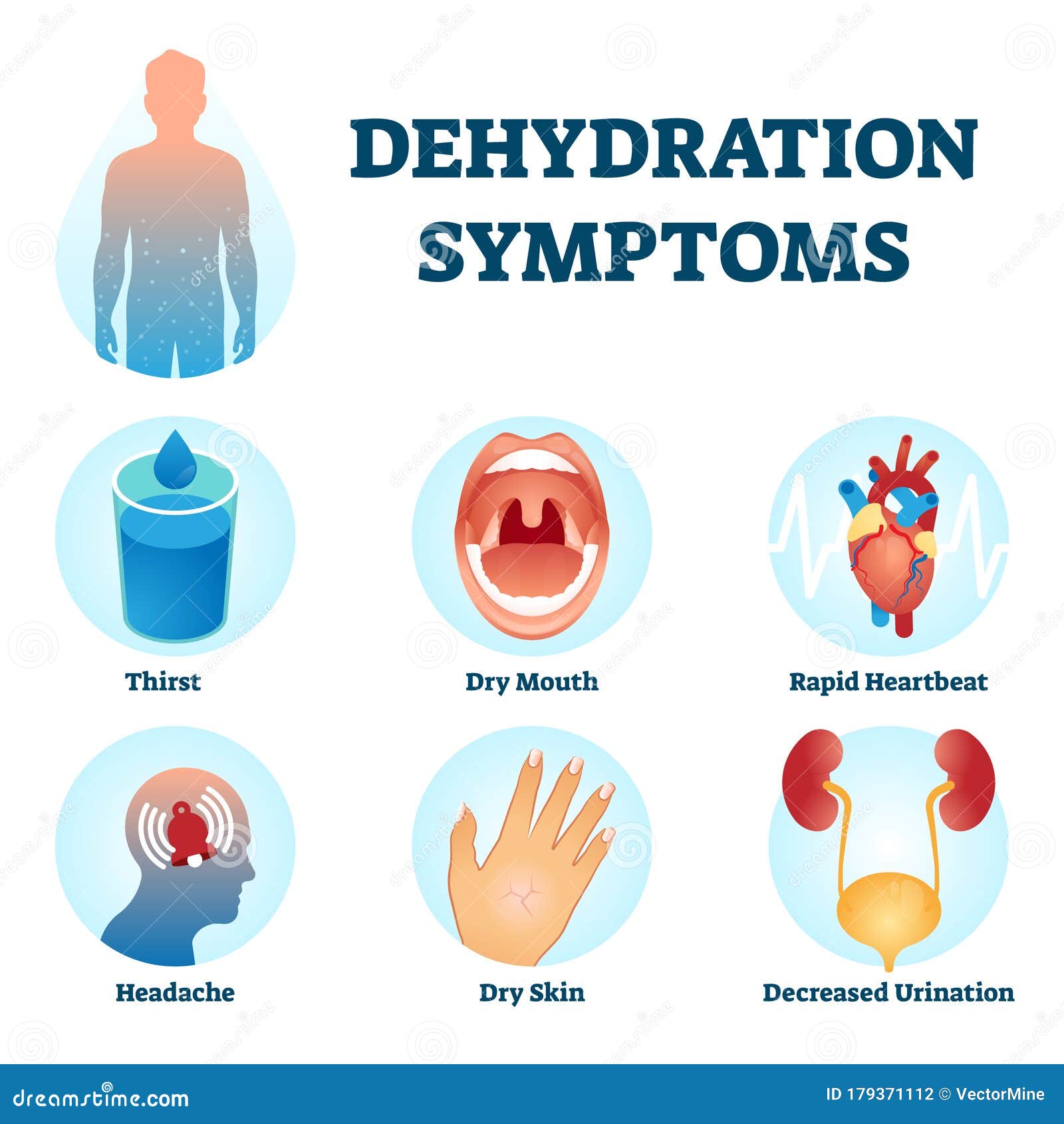
Dehydration happens when a child’s body loses more fluid than it takes in. Sweat, pee, and breathing all cause fluid to go out all day long. In summer, kids lose more through sweat and often drink less because they are distracted.
Continental Hospitals describes early dehydration as starting with dry mouth, cracked lips, increased thirst, dark urine, reduced urine output, fatigue, headache, and dizziness. In kids, signs can go further, including lack of tears when crying, a sunken soft spot on the head in infants, sunken eyes, and unusual sleepiness or irritability.
Signs of dehydration in kids to watch for:
Dry lips, dry tongue, cracked skin
No tears when crying
Fewer wet diapers or not peeing in 6 to 8 hours
Dark yellow or strong smelling urine
Sunken eyes
Sunken fontanelle, which is the soft spot on a baby’s head
Unusual tiredness, crankiness, or confusion
Dizziness when standing up
What Is Heat Exhaustion in Kids?
 Heat exhaustion is a heat related illness. It happens when a child’s body overheats and cannot cool itself fast enough. This is usually because of a combination of heat, activity, and not enough fluids.
Children’s Hospital of Philadelphia lists the symptoms as pallor, which is an unhealthy pale look, weakness, headache, nausea, muscle cramps, and fainting. Kids might also sweat heavily, get a rapid pulse, feel clammy, or start acting off.
Heat exhaustion symptoms in children:
Heavy sweating, but skin feels cool and clammy
Pale or flushed face
Weakness, exhaustion, and dizziness
Headache and nausea
Muscle cramps, often in the legs or stomach
Vomiting
Fast, weak pulse
Body temperature up to 103°F
Heat exhaustion is serious, but it is still the body saying, “I need help now.”
If nobody helps, it can progress to heatstroke, which is a true emergency. Heatstroke is when the core body temperature goes above 104°F, and it can cause confusion, unresponsiveness, seizures, or worse.
Heat Exhaustion vs. Dehydration in Children: How to Tell the Difference
The overlap is real, and that is why parents get confused.
Dehydration is mostly about fluid loss. The symptoms are dry mouth, dark urine, no tears, crankiness, and thirst.
Heat exhaustion in kids is about the body struggling to cool down. The symptoms are heavy sweating, pale skin, weakness, headache, nausea, vomiting, muscle cramps, clammy skin, and faster breathing.
Dehydration can exist without heat exhaustion. A kid with a stomach bug in December can be dehydrated. Heat exhaustion almost always comes with dehydration, because sweating pulls fluid out of the body fast.
A simple way to tell:
Thirsty, tired, dry mouth. This is probably dehydration, where you need a cool room, water or an oral rehydration solution, and rest.
Sweating heavily, pale, weak, nauseous, cramping. This is probably heat exhaustion. You need the same treatment, but with much closer monitoring. If it does not improve in 30 minutes, head to urgent care.
Confused, not sweating, very hot, not responding normally. This is likely heatstroke. Call 911, because there is no middle ground option.
Step by Step: What to Do if Your Child Is Overheated or Dehydrated
Save this for summer. It works for both.
Get them out of the heat. Keep them in an air conditioned room, shaded spot, or a cool car, anywhere that is not hot.
Loosen or remove extra clothing. Let the body breathe.
Cool them down. Keep a cool, not ice cold, damp washcloth on the forehead, neck, and armpits. A fan can also help.
Give small sips of fluid. Water, an oral rehydration solution, or a sports drink for an older child can help. Give it in small sips, not big gulps, because too much at once can cause vomiting.
Watch for 30 to 60 minutes. Are they perking up or peeing normally? Is their color returning? Those are good signs.
If they are not improving, or they are vomiting, confused, or very sleepy, take them to a pediatrician. That is when pediatric urgent care for dehydration becomes the right call.
For infants, do not take a chance. Breastmilk or formula only, with no plain water for babies under 6 months. If you are seeing any sign of dehydration in a baby, call the pediatrician right away.
Common Mistakes and Myths
A few things parents keep getting caught out by:
“They’ll drink when they are thirsty.” Thirst is already a late sign. Continental Hospitals flags this directly: by the time a child is thirsty, they are already behind on fluids.
“Sports drinks are best for kids.” For older kids during intense activity, sports drinks can help. For most everyday dehydration in younger kids, water or an oral rehydration solution is better. Many sports drinks have too much sugar.
“A hot kid just needs ice water.” Ice cold fluids on an overheated stomach can trigger cramping or vomiting. So cool is better than cold.
“No sweat means they are fine.” It is actually the opposite. If a child stops sweating even though they are hot, that is a heatstroke red flag.
“A fan will cool down my baby.” The EPA warns specifically against pointing a fan at an infant. It can actually dehydrate them faster.
When to Take Action: When a Child’s Dehydration Needs Medical Care
Most mild cases sort themselves out at home with fluids and rest. The line between “handle it at home” and “go in” looks like this:
Same day care is the right move when:
Your child is vomiting and cannot keep fluids down
They have not peed in 6 to 8 hours, or a baby has not had a wet diaper that long
They are unusually sleepy, floppy, or hard to wake
They are dizzy even after resting and drinking
They have a temperature above 103°F
They are confused, slurring, or acting strange
They have severe muscle cramps that will not settle
You are seeing sunken eyes, a sunken soft spot, or no tears when crying
Call 911 if:
Your child is unresponsive, seizing, or fainting
They have stopped sweating but feel burning hot
Their body temperature is 104°F or higher
They are extremely confused, disoriented, or unable to recognize you
When in doubt, get them seen. Pediatric clinics would rather check out a mild case than have a parent second guess something serious.
How QuickMD Pediatric Care Helps Families in McKinney
At QuickMD Pediatric Care in McKinney, TX, summer dehydration and heat illness visits pick up every year, from McKinney, Frisco, Allen, and Plano families. Most of them come in somewhere between “probably fine but want a check” and “this is not getting better.”
Here’s how we help:
Same day evaluation and fluids. The Same Day Pediatric Sick Visits handle exactly these situations. It helps with a child who is vomiting from heat, a dizzy kid after soccer practice, or a baby who is not making enough wet diapers.
Emergency level care for the serious stuff. When symptoms are further along, with repeated vomiting, a high fever, or a child who is really struggling, the Pediatric Minor Emergency service steps in with hands on evaluation and treatment.
Labs on site when needed. If a child’s dehydration is tied to illness, infection, or electrolyte imbalance, the Pediatric Screening Lab Tests can check things like electrolytes, kidney function, and infection markers without sending you anywhere else.
Our pediatricians are used to hot Texas summers, sports camps, and the specific mess that McKinney weather makes of little bodies.
FAQs
What is the difference between heat exhaustion and dehydration?
Dehydration is fluid loss. Heat exhaustion is the body overheating because it cannot cool itself fast enough. Dehydration can happen without heat. Heat exhaustion almost always involves dehydration as part of it.
What are the signs of dehydration in children?
Dry lips, dark urine, fewer wet diapers, no tears when crying, sunken eyes, tiredness, crankiness, dizziness, and a sunken soft spot on the head in babies.
What are the symptoms of heat exhaustion in kids?
Heavy sweating, pale or flushed skin, weakness, headache, nausea, vomiting, muscle cramps, and a fast pulse. A temperature up to 103°F is possible.
When should I take my child to the doctor for dehydration?
If they cannot keep fluids down, have not peed in 6 to 8 hours, are unusually sleepy or confused, have a fever over 103°F, or show sunken eyes, a sunken fontanelle, or persistent dizziness.
Can heat exhaustion cause vomiting in children?
Yes. Vomiting is a common heat exhaustion symptom, and it is also what usually pushes a family from home care to a same day visit, because once vomiting starts, oral fluids often do not stay down.
How much water should a child drink in summer?
It depends on age, size, and activity. A rough rule is that older children should drink throughout the day, and younger children need to be actively offered fluids every 30 to 60 minutes when outside in the heat.
Can a child get dehydrated even without feeling thirsty?
Definitely. Thirst is a late warning sign. Many kids, especially younger ones, are already dehydrated before they realize they need water.
Trust and Expert Insight
This guide pulls together pediatric guidance for heat illness from the EPA, Children’s Hospital of Philadelphia, Continental Hospitals, and Baby Memorial Hospitals, reviewed in the context of pediatric practice at QuickMD Pediatric Care in McKinney, TX.
Our board certified pediatricians see summer heat illness and dehydration throughout the year and know the difference between a child who just needs fluids at home and one who needs to be seen today.
Ready to Book?
Worried your child has heat exhaustion or dehydration that needs a doctor today? Book a Same Day Pediatric Sick Visit at QuickMD Pediatric Care in McKinney, TX. Walk ins welcome.
Not sure yet? Call 972 645 9400 or come by 10101 Westridge Blvd, Suite 101, McKinney, TX 75070. The team will help you figure out whether this is a home care situation or one that needs an in person visit.
Related Reads from QuickMD Pediatric Care
- Find the Best Pediatrician for School Physicals in McKinney, TX
https://quickmd-pediatriccare.com/find-the-best-pediatrician-for-school-physicals-in-mckinney-tx/ - A Comprehensive Guide to Asthma Treatment Options Available at the Leading Asthma Clinic in McKinney
https://quickmd-pediatriccare.com/a-comprehensive-guide-to-asthma-treatment-options-available-at-the-leading-asthma-clinic-in-mckinney/ - 5 Signs Your Child Needs a Pediatric X Ray (And When to Call Us in McKinney)
https://quickmd-pediatriccare.com/5-signs-your-child-needs-a-pediatric-x-ray-and-when-to-call-us-in-mckinney/ - How to Choose the Right Prenatal Clinic in McKinney for Your Needs
https://quickmd-pediatriccare.com/how-to-choose-the-right-prenatal-clinic-in-mckinney-for-your-needs/ - Pediatric Annual Physicals : https://quickmd-pediatriccare.com/why-pediatric-annual-physical-exams-are-essential-for-every-child-in-mckinney/
- Winters- the coughs and the colds : https://quickmd-pediatriccare.com/wet-vs-dry-coughs-in-children-what-u-s-parents-should-know-this-winter/
- Strep Throat – a common and acute problem among kids in McKinney, Texas, but with less awareness among parents: https://quickmd-pediatriccare.com/strep-throat-in-kids-symptoms-testing-and-when-antibiotics-are-needed/
- When to Take Your Baby to the Hospital: Every Parent’s Must-Know Guide: https://quickmd-pediatriccare.com/when-to-take-your-baby-to-the-hospital-every-parents-must-know-guide/
- Eyes Red, Itchy, and Contagious? Your Quick Guide to Pink Eye in Kids! : https://quickmd-pediatriccare.com/red-itchy-and-contagious-your-quick-guide-to-pink-eye-in-kids/
Conclusion
Summer is supposed to be the easy season. There are sprinklers, popsicles, and too much sunshine. But kids do not cool themselves down the way adults do, and they lose fluids faster than most parents realize.
Knowing the difference between heat exhaustion vs. dehydration in children means you can step in earlier, make the right call, and skip the 2 a.m. Google search.
Offer fluids before they are thirsty.
Pull them out of the heat before they are begging for it.
Watch for the warning signs.
And when something feels off, do not wait, get them checked.
The team at QuickMD Pediatric Care in McKinney, TX is here when summer gets serious. Book online or call 972 645 9400.