Intro
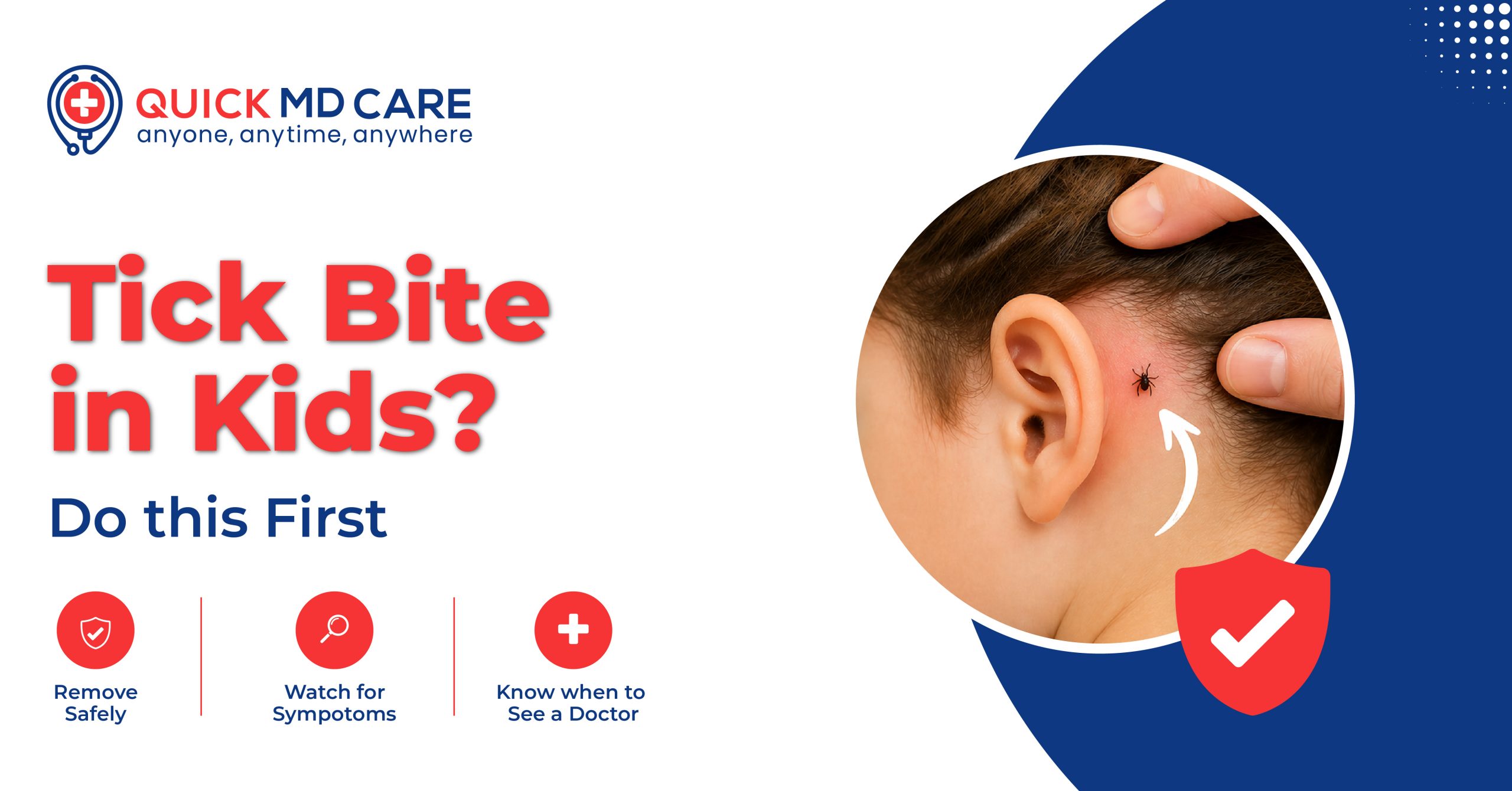
Picture it. Your kid just came in from the backyard, you’re brushing grass out of their hair before dinner, and you spot something dark behind their ear. You lean in. It’s moving. Slightly.
Yeah. It’s a tick.
Before you do anything weird with a lighter or a jar of Vaseline don’t. Take a second. Tick bites in kids almost always look worse than they actually are, and honestly, the first ten minutes matter more than you’d think. Not because you need to move fast, but because you need to do the simple thing right, not the dramatic thing quickly.
And if it makes you feel any better, a lot of parents have been where you are right now. CDC data shows kids under 10 end up in the ER for tick bites more than any other age group in the country.
And last summer? It was rough. ABC News had a piece about tick-related ER visits hitting their highest level since 2017 parents were showing up in droves. So if you’re standing in the bathroom right now, tweezers in one hand, your kid squirming under the other, feeling a little out of your depth… yeah, you’re really not alone on this one.
This post is the thing every parent will want to have on their phone, how to get the tick off, what to actually watch for, and when it is time to stop wondering and have a pediatrician take a look.
The Short Version (If You’re Reading This One-Handed)
Most tick bites in children end up being nothing serious. Get the tick off soon. Sooner is better, but definitely try to do it within a day. Grab pointy tweezers, pull it straight up, and don’t do anything fancy. Wash the bite. Then just kind of… keep it on your radar for the next month.
So when does this stop being a “wait and see” thing? Call for same-day care for a tick bite if you spot a rash spreading out from the bite, anything that looks bullseye-ish, little red dots showing up on the wrists or ankles, a fever, a headache that won’t go away, the kind of tired where your kid just isn’t themselves, sore joints, or anything unusual with their face.
That’s about it. The rest of this post is the “why” and the “how.”
What’s Actually Stressing You Out Right Now
This plays out often enough that it’s usually one of three things.
The tick won’t come off.
Ticks don’t just sit on the skin; they burrow in and start feeding. Trying to pull one off a toddler who refuses to stay still, while trying not to panic yourself, is honestly a rough few minutes.
The bite looks worse the next day.
A red bump after a tick bite on a child is usually just part of normal healing. The tricky part is knowing whether it’s getting better or slowly turning into something else. The internet is never much help either. It almost never just tells you it’s probably fine.
You’re stuck in “what if” mode.
Your child has a tick bite, maybe a rash, maybe a low fever, and your mind has already jumped straight to Lyme disease. Most of the time it isn’t. But “most of the time” isn’t very reassuring when it’s your own kid.
Typing “tick bite doctor for kids near me” at 10 p.m. doesn’t tell you if this needs a drive to urgent care or just a good night’s sleep. That’s what the rest of this is for.
What a Tick Bite in Children Actually Is
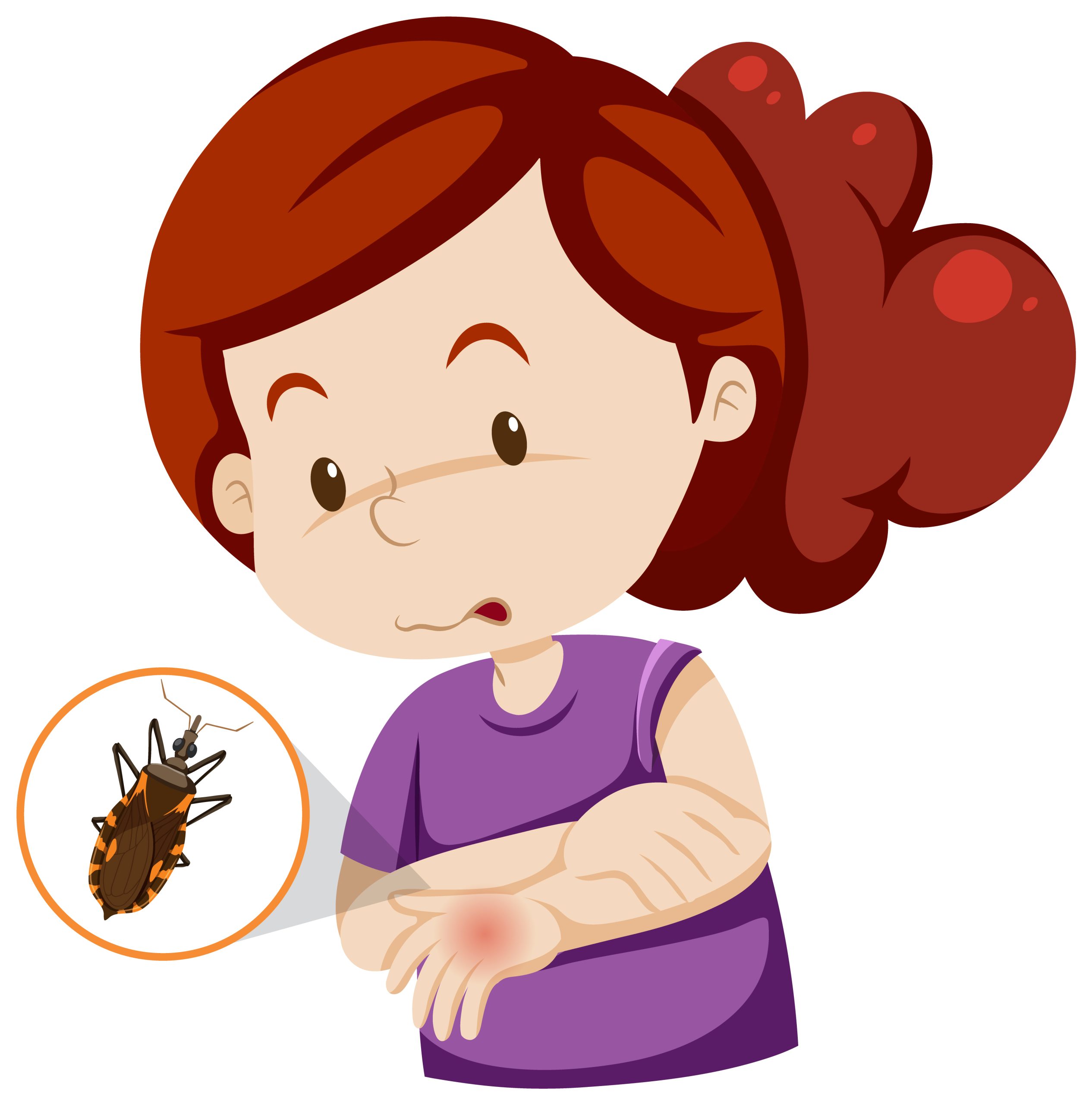
Ticks aren’t insects. They’re arachnids tiny cousins of spiders and they feed on blood. The thing a lot of people don’t realize is they don’t bite and go. Cleveland Clinic puts it plainly: ticks bury their heads in your skin and stay for hours or days.
A tick bite in children almost always shows up somewhere you wouldn’t immediately look the scalp, behind an ear, along the hairline, inside the belly button, armpits, groin, or behind the knees.
Why kids get bitten more:
- They’re closer to the ground. Ticks wait on grass blades and low brush.
- They roll in the lawn. They crawl under bushes to chase the dog. They sit directly on hiking trails because sitting on a rock is apparently not the first choice.
- Their hair hides everything. A poppy-seed-sized nymph deer tick in a kid’s scalp? Easy to miss for days.
Most bites look like a little red dot, sometimes itchy, sometimes not. The tick may still be there. It may already be gone, leaving only the mark.
Why This Is Worth Paying Attention To
Because most tick bites aren’t the problem. The occasional one is.
The CDC now estimates that around 476,000 Americans get diagnosed with Lyme disease each year, and more than 89,000 were officially reported in 2023 alone. Texas isn’t a Lyme hotspot the way New England is, but that’s not the whole picture for us. Rocky Mountain spotted fever, ehrlichiosis, and lone star tick-related illnesses all show up here.
Here’s the part that should actually make you feel better: Cleveland Clinic notes that removing a tick within 24 hours dramatically cuts your child’s risk of Lyme disease. Fast, correct removal is the whole game.
How to Safely Remove a Tick From a Child
Removing a tick badly is worse than leaving it on for another hour. Squeezing its body, twisting, or trying to burn it all make the tick release more saliva, which is when infections actually get transmitted.
Pulling from KidsHealth from the Nemours Foundation, here’s how to safely remove a tick from a child:
Use pointy tweezers.
These are not the flat drugstore pair, not your fingernails, and not a matchbook. These are fine-tipped tweezers. Grab the tick right where it’s attached: at the head and against the skin, not the body.
Pull straight up.
Slow, steady, and firm. Not a yank. Not a twist. Pretend you’re pulling a splinter out of your own hand.
Don’t let go when it resists.
It’ll hold on for a moment. Keep the pressure. It’ll let go.
If a piece stays in the skin, leave it alone.
KidsHealth says those small fragments usually come out on their own. Digging around with a needle causes more problems than the fragment ever would.
Wash up.
Soap and water on your hands and the bite. Then rubbing alcohol on the bite itself.
Get rid of the tick properly.
Flush it, wrap it in tape, or drop it in a jar of rubbing alcohol. Don’t crush it with your fingers. That’s how you get things on your hands that you do not want on your hands.
Things NOT to do:
- No petroleum jelly. The internet loves this trick. It doesn’t work. It actually stresses the tick out and pushes it to release more saliva.
- No hot matches or lighters. Same issue, plus now you’ve got a burn risk on top of everything else.
- No nail polish. No essential oils. No dish soap on a cotton ball. All folk tricks. All increase risk.
How Long Should a Tick Stay Attached Before Removing It?
This is the question everyone asks, and there’s no perfect answer. There’s just a goal: the less time attached, the better.
For Lyme transmission, the usual benchmark is 24 to 36 hours of attachment. So if you pull the tick off within a few hours, your kid’s risk is really low. If the tick is already engorged—fat, grayish, and looking like a little grape—that means it’s been feeding a while. Tell the doctor that part.
Tick Bite Symptoms in Kids: Normal vs. Not
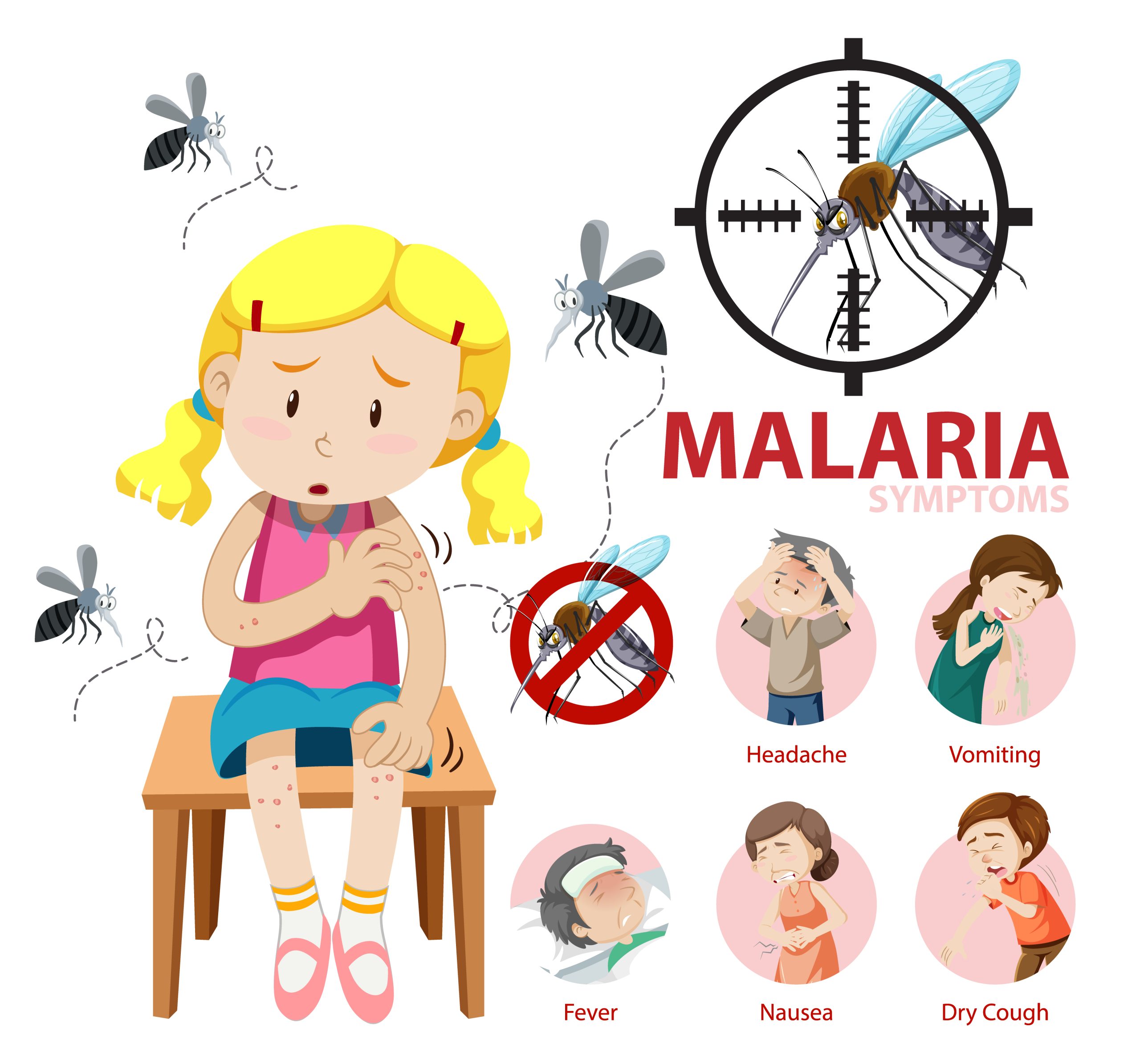
Once the tick’s off, you’re in watch-and-wait mode. Not every bump means something bad, but a few patterns are worth taking seriously.
Normal stuff:
- A small red dot or bump exactly where the tick was
- Some itchiness for a few days
- A tiny scab as it heals
- A mildly red area the size of a dime or smaller that fades over a week or two
Call-the-doctor-today stuff:
- A rash spreads outward from the bite, especially one with a clearer center, which is the classic “bullseye.” Cleveland Clinic notes it can show up anywhere from one to four weeks after the bite.
- Small red dots showing up on the wrists, forearms, or ankles. That’s a Rocky Mountain spotted fever pattern, and untreated RMSF can be fatal.
- Fever, headache, chills, or a stiff neck within a few weeks of the bite.
- Wiped-out tiredness, joint swelling, or muscle pain.
- Any unusual facial drooping—that’s a Lyme red flag and needs eyes on it fast.
- A clearly infected tick bite in a child: heat, swelling, pus, growing redness, or real pain.
Any of those? Do not ignore it. That is exactly what pediatric urgent care for tick bites is built to handle.
Step-by-Step: What to Do If Your Child Gets a Tick Bite
Screenshot this one. It’s the order I’d walk a friend through on the phone.
Breathe.
Don’t freak out your kid. A wiggly child makes removal three times harder.
Grab your kit.
Pointy tweezers, rubbing alcohol, a little ziplock or piece of tape, and a decent light.
Remove the tick.
Tweezers at the head, steady pull straight up.
Save it.
Seal it in a bag or tape it to an index card. Write the date. If symptoms show up later, knowing the tick species matters a lot.
Clean the bite.
Soap, water, alcohol swab.
Take a photo.
Sounds silly. It isn’t. Your pediatrician will want a starting picture to compare against.
Note the date somewhere you’ll find it.
Phone calendar, fridge, whatever works. Symptoms can show up to a month later.
Check for 30 days.
If you see rash, fever, headache, or fatigue—any of those in that window needs attention.
Call your pediatrician if the tick was on for more than a day, or if a piece broke off, or if anything about how your child feels after it’s off seems off.
Things Parents Keep Getting Wrong
A few of these get repeated so often online they start sounding like facts. They aren’t.
“Just burn it off.”
Please, no. It doesn’t work, and it makes infection more likely.
“If there’s no bullseye, it’s not Lyme.”
Studies suggest less than a third of Lyme patients ever get the classic bullseye rash. No rash is not an all-clear.
“All tick bites need antibiotics.”
They don’t. Most are watched, not treated. Sometimes a doctor gives a single preventive dose for a high-risk bite, but that’s a case-by-case thing.
“It’s way too small to be a real tick.”
Baby deer ticks—the ones called nymphs—are poppy-seed sized and can transmit disease. Smaller isn’t safer.
“I got it off, so I don’t need to mention it.”
Tell your pediatrician at the next visit anyway. It belongs in your kid’s chart.
When a Tick Bite Actually Needs Same-Day Care
Here’s the clearest way to draw this line. Most tick bites are a home situation: remove, clean, watch. Same-day care for a tick bite is the call if:
- The tick was on for more than 24 hours, or you have no idea how long it was on
- Part of the tick is stuck in your child’s skin and you can’t get it out cleanly
- The bite is red, warm, swollen, oozing, or getting more painful
- Any rash appears that is spreading, ring-shaped, or shows scattered red dots on the wrists or ankles
- Your child develops fever, headache, stiff neck, joint pain, unusual fatigue, or facial weakness in the next 30 days
- Your child is under 2, has a weakened immune system, or has a chronic condition
- You pulled off a deer tick or a lone star tick; the species matters for risk
When you are not sure, just call. We would genuinely rather hear from you about one that turns out to be nothing than miss one that is not.
Need a pediatrician to look at it today? Book a Same Day Pediatric Sick Visit with QuickMD Pediatric Care in McKinney.
How QuickMD Pediatric Care Fits In
At QuickMD Pediatric Care in McKinney, TX, we’ve had this exact conversation with more parents than we can count—from the quick “hey, quick question” phone call to the full hands-on visit.
Here’s what we can actually do for you:
Get your kid in today.
Our Same-Day Pediatric Sick Visits exist for exactly this kind of moment. When you need a pediatrician’s eyes on something now, not Thursday.
Handle the tricky removals and infected bites.
When part of the tick is still under the skin or the bite looks off, our Pediatric Minor Emergency service takes over: safe removal, cleaning, skin check, done in one visit.
Run the tick-borne illness labs in-house.
If symptoms show up days or weeks later, our Pediatric Screening Lab Tests cover blood work for Lyme, Rocky Mountain spotted fever, ehrlichiosis, and the rest. No sending you to a third building.
Our pediatricians don’t rush.
They explain what they’re seeing. They tell you exactly what to watch for after you walk out.
Parent Questions We Actually Get
What should I do after removing a tick from my child?
Wash the bite with soap and water. Next, clean the area and take a photo. Note the date and keep the tick sealed in a bag or taped to a card. Watch for 30 days.
How do you remove a tick from a child?
Pointy tweezers. Grip where the tick meets the skin. Steady pull straight up. No twisting, no matches, no Vaseline.
When is a tick bite dangerous in kids?
A tick bite can be dangerous in kids when it has been there for more than a day, or when a rash or fever shows up, or when the bite looks infected, or if your child gets joint pain, facial drooping, or bone-deep tiredness in the weeks after.
Should I save the tick after removing it?
If you can, yes. Bag it, tape it to an index card, and write the date. It’s useful if symptoms show up later.
Do all tick bites need antibiotics?
No. Most are watched, not treated. Antibiotics come into play for specific high-risk bites. That’s a doctor’s judgment call.
My child has a red bump after a tick bite—is that bad?
A small, unchanging red bump is normal and can hang around for a couple of weeks. A bump that’s spreading, warm, painful, or ring-shaped is a different story and needs medical attention.
Can a tick bite in kids cause long-term problems?
Usually no, especially if you caught it early. Untreated tick-borne infections are what cause the longer-term joint, heart, and neuro issues, which is why catching symptoms fast is the whole point.
Where This Guide Comes From
This piece pulls from the CDC, Cleveland Clinic, and KidsHealth from the Nemours Foundation, shaped by the board certified pediatricians at QuickMD Pediatric Care in McKinney.
Our doctors have pulled ticks off toddlers at Erwin Park, teens just back from summer camp, and everyone in between. After seeing enough of these cases, you get pretty good at knowing which ones need a lab draw and which just need cleaning and follow-up.
If you’re not sure, ask someone who has seen this before.
CTA
Worried your child’s tick bite needs eyes on it today? Book a Same-Day Pediatric Sick Visit at QuickMD Pediatric Care in McKinney, TX. Walk-ins welcome. No waiting days.
Not sure yet? Just call us: 972-645-9400. Or swing by 10101 Westridge Blvd, Suite 101, McKinney, TX 75070. We’ll talk you through it.
Related Reads from QuickMD Pediatric Care
- Find the Best Pediatrician for School Physicals in McKinney, TX
https://quickmd-pediatriccare.com/find-the-best-pediatrician-for-school-physicals-in-mckinney-tx/ - A Comprehensive Guide to Asthma Treatment Options Available at the Leading Asthma Clinic in McKinney
https://quickmd-pediatriccare.com/a-comprehensive-guide-to-asthma-treatment-options-available-at-the-leading-asthma-clinic-in-mckinney/ - 5 Signs Your Child Needs a Pediatric X Ray (And When to Call Us in McKinney)
https://quickmd-pediatriccare.com/5-signs-your-child-needs-a-pediatric-x-ray-and-when-to-call-us-in-mckinney/ - How to Choose the Right Prenatal Clinic in McKinney for Your Needs
https://quickmd-pediatriccare.com/how-to-choose-the-right-prenatal-clinic-in-mckinney-for-your-needs/ - Pediatric Annual Physicals : https://quickmd-pediatriccare.com/why-pediatric-annual-physical-exams-are-essential-for-every-child-in-mckinney/
- Winters- the coughs and the colds : https://quickmd-pediatriccare.com/wet-vs-dry-coughs-in-children-what-u-s-parents-should-know-this-winter/
- Strep Throat – a common and acute problem among kids in McKinney, Texas, but with less awareness among parents: https://quickmd-pediatriccare.com/strep-throat-in-kids-symptoms-testing-and-when-antibiotics-are-needed/
- When to Take Your Baby to the Hospital: Every Parent’s Must-Know Guide: https://quickmd-pediatriccare.com/when-to-take-your-baby-to-the-hospital-every-parents-must-know-guide/
- Eyes Red, Itchy, and Contagious? Your Quick Guide to Pink Eye in Kids! : https://quickmd-pediatriccare.com/red-itchy-and-contagious-your-quick-guide-to-pink-eye-in-kids/
Wrapping Up
Most tick bites in kids look a lot scarier than they play out. Get the tick off the right way, clean the bite, write the date down, and check in on it for a month.
Where parents trip up isn’t the removal. It’s what comes next—the rash that keeps spreading, the low fever two weeks later, or the fragment that won’t come out. That’s when same-day care for a tick bite earns its keep.
The team at QuickMD Pediatric Care in McKinney, TX is here for exactly that. Book online or call 972-645-9400. We’ve got you.
 10101 Westridge Blvd, Suite 101