Summary
It’s not just about symptoms; it’s about timing. In infants, small signs can escalate quickly. Difficulty breathing, dehydration, or unusual behavior aren’t minor – they’re urgent red flags. That’s why doctors stress two things: act fast and trust your instincts. This guide helps you spot warning signs early, know exactly when to call a doctor, and handle emergencies with confidence plus a simple checklist to keep you prepared.
When to Take Your Baby to the Hospital: Every Parent’s Must-Know Guide
Kids at home? Know that every 20 seconds, a child in the United States is taken to the emergency hospital.
Millions of emergency visits are attributed to infants below the age of 12 months. In the case of new parents, knowing about their baby emergency hospital visit is on top of everything.
Identify the signs when a baby needs to go to hospital and take necessary actions right on time. QuickMD Pediatric Care is where you must take your kid for the best treatment.
The #1 Rule: Trust Your Instincts, Then Verify
Your instincts notice danger before symptoms fully reveal the real problem.
Parents’ instincts are super strong and true. Trust your gut feeling.
Call a pediatrician before anything. Also, the majority of clinics have 24/7 services regarding urgent issues.
- Get easy access to reduce stress and treatment delays to a great level.
- Nevertheless, some of the symptoms require urgent treatment.
- Such circumstances cannot be left without action.
Baby Fever Hospital Visit: When to Take Baby to Doctor vs. the Hospital
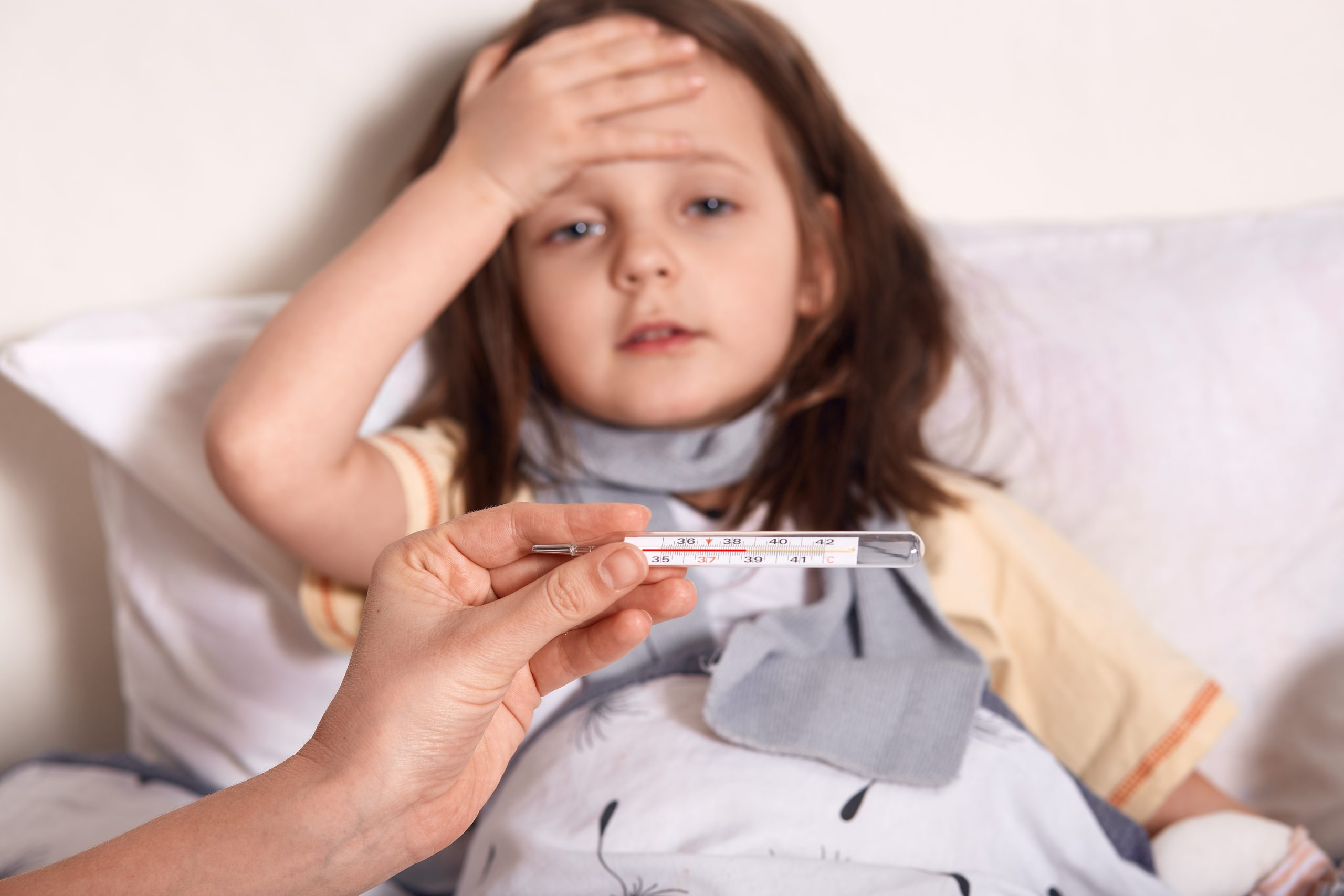
- Less than 3 months: Fevers over 100.4°F should be investigated right away with a baby fever taken for hospital visit.
- 3-6 months: Pay attention to critical symptoms – fever, poor feeding and lethargy. Report any increase in temperatures.
- 6 -24 months: Fever that runs beyond 24 hours must be assessed. Other symptoms are predisposing.
- Any age: Fever accompanied by seizures or rash are baby health emergency signs.
Baby Under 3 Months: Special Emergency Rules
For kids below 3 months age, you must be very careful about their conditions:
Take them to ER
- if fever crosses 100.4°F
- if you notice breathlessness and breathing pauses
- if the kid grows exceedingly lethargic
The professional team at QuickMD Pediatric Care is ready to help you 24/7.
What to Do if Your Baby has Trouble Breathing?
Breathing struggles escalate fast and demand immediate attention without any delay.
Watch for baby breathing problems emergency signs:
- Fast breathing or palpitations.
- Inhalation of the chest on inspiration.
- Blue or gray skin tone
- Breathing with grunting.
- Long pauses between breaths
In case of persistent symptoms, seek out immediate medical help.
Baby Vomiting, Dehydration and Poor Feeding: When it Becomes Urgent
What looks harmless can silently drain fluids and weaken your baby quickly.
Spit-up is alright, but recurring vomiting is not. It may easily cause complications.
Is your baby vomiting? Hospital visit is required in case:
- Vomiting is either intense or recurring.
- The baby cannot hold fluids.
- The vomit is of abnormal color or blood.
Pay attention to the baby dehydration symptoms:
- Fewer wet diapers daily
- No tears while crying
- Sunken soft spot
- Dry lips and mouth
- Extreme sleepiness
Baby Under 3 Months: Special Emergency Rules
Even mild symptoms in babies under 3 months can turn serious quickly. Never ignore early signs.
- Fever (≥ 100.4°F / 38°C) requires immediate medical attention
- Poor feeding or refusal to feed
- Unusual sleepiness or difficulty waking
- Breathing difficulties or fast breathing
- Persistent crying or extreme irritability
- Fewer wet diapers (possible dehydration)
Act right away for such critical infant health emergency conditions.
Red-Flag Symptoms That Should Never Wait Until Morning
Some warning signs demand action immediately because every second truly matters here.
Certain symptoms always require urgent care. These include:
- Seizures or body stiffness
- Continuous bleeding
- Unresponsiveness or limp body
- Poison ingestion or choking
- Severe allergic reactions
- Head injuries with vomiting
These are clear signs the baby needs to go to hospital.
Knowing when to go to the ER with the baby ensures timely treatment. QuickMD Pediatric Care has professionals who will ensure to treat all these symptoms properly.
Your Baby Hospital Visit Checklist
Preparation during calm moments helps you act faster during unexpected emergencies.
Stay prepared to avoid any panic in emergency cases. Preparations are important at any given moment.
Checklist:
- Insurance and ID
- Immunization records
- Medication list
- Symptom notes
- Extra diapers and clothes
- Doctor’s contact number
This baby hospital visit checklist facilitates quicker pediatric emergency care.
What to Do Right Now While Getting Help
As you notice uneasiness in your kid, do the following:
- keep baby upright if choking
- note symptoms and timing
- gather records and meds stay calm to reassure them
- call the ER ahead so they expect you.
QuickMD Pediatric Care offers child wellness and gives the best treatment. It also offers vaccinations as and when required!
When to Call 911, Go to ER and Call a Pediatrician
– Call 911: unconscious, blue lips, seizures, choking.
– Go to ER: dehydration or fever >100.4°F if baby under 3 months.
– Call a pediatrician: mild fever, poor feeding, less urgent concerns.
Get in touch with QuickMD Pediatric Care at 972-645-9400!
Prevention Is the Best Emergency Plan
Consistent care today prevents panic-filled hospital visits and emergencies tomorrow.
Frequent check-ups diagnose the initial health problems. Infections are safeguarded by vaccinations.
Establishing a relationship of trust with a pediatrician will be more helpful.Learn about common baby health emergencies at an early stage. However, do know the best way is always prevention.
Conclusion
It is important that all parents understand the indications of the necessity when to go to hospital with a baby. Minor symptoms may get out of control very easily. They should never ignore fever, breathing problems, dehydration, and abnormal behavior. It is better to act in time. Have faith and consult others. Consciousness and readiness will guarantee improved safety and harmony.
FAQs
- What are the most important baby health emergency signs?
The major baby health emergency signs are difficulty in breathing, seizures, high fever, bluish skin, and failure to respond. This is because these symptoms are life-threatening and need emergency medical attention. - When should a baby emergency hospital visit be considered urgent?
A baby emergency hospital visit will be urgent when there are difficulties in breathing, dehydration, constant vomiting, or high fever in an infant that is below three months old. This is due to the immediate care that avoids complications.
- How do I decide when to go to the ER with the baby?
Call up a pediatric center directly in case of seizures, breathing difficulty, or injury. In mild symptoms, a pediatrician must be consulted initially.
- What are common reasons for baby vomiting in hospital visit cases?
A baby vomiting hospital visit is needed when vomiting is chronic, intense, frequent or contains blood. It can also cause dehydration within a short time.
- Why is a baby hospital visit checklist important?
A baby hospital visit checklist assists parents in being ready. It will guarantee access to documents, medications, and medical history in case of an emergency.
Related Pediatric Health Guides from QuickMD Pediatric Care
-
Find the Best Pediatrician for School Physicals in McKinney, TX
https://quickmd-pediatriccare.com/find-the-best-pediatrician-for-school-physicals-in-mckinney-tx/ -
A Comprehensive Guide to Asthma Treatment Options Available at the Leading Asthma Clinic in McKinney
https://quickmd-pediatriccare.com/a-comprehensive-guide-to-asthma-treatment-options-available-at-the-leading-asthma-clinic-in-mckinney/ -
5 Signs Your Child Needs a Pediatric X Ray (And When to Call Us in McKinney)
https://quickmd-pediatriccare.com/5-signs-your-child-needs-a-pediatric-x-ray-and-when-to-call-us-in-mckinney/ -
How to Choose the Right Prenatal Clinic in McKinney for Your Needs
https://quickmd-pediatriccare.com/how-to-choose-the-right-prenatal-clinic-in-mckinney-for-your-needs/ - Pediatric Annual Physicals : https://quickmd-pediatriccare.com/why-pediatric-annual-physical-exams-are-essential-for-every-child-in-mckinney/
- Winters- the coughs and the colds : https://quickmd-pediatriccare.com/wet-vs-dry-coughs-in-children-what-u-s-parents-should-know-this-winter/
- Strep Throat – a common and acute problem among kids in McKinney, Texas, but with less awareness among parents: https://quickmd-pediatriccare.com/strep-throat-in-kids-symptoms-testing-and-when-antibiotics-are-needed/
 10101 Westridge Blvd, Suite 101